
Devlog 001
Where I’m At So Far
The prototype has grown from a rough core-loop test into a playable collection of combat, squad, progression, trader, and field-request systems. The next job is bringing those pieces together in the real Skirmish map.
What Works Today
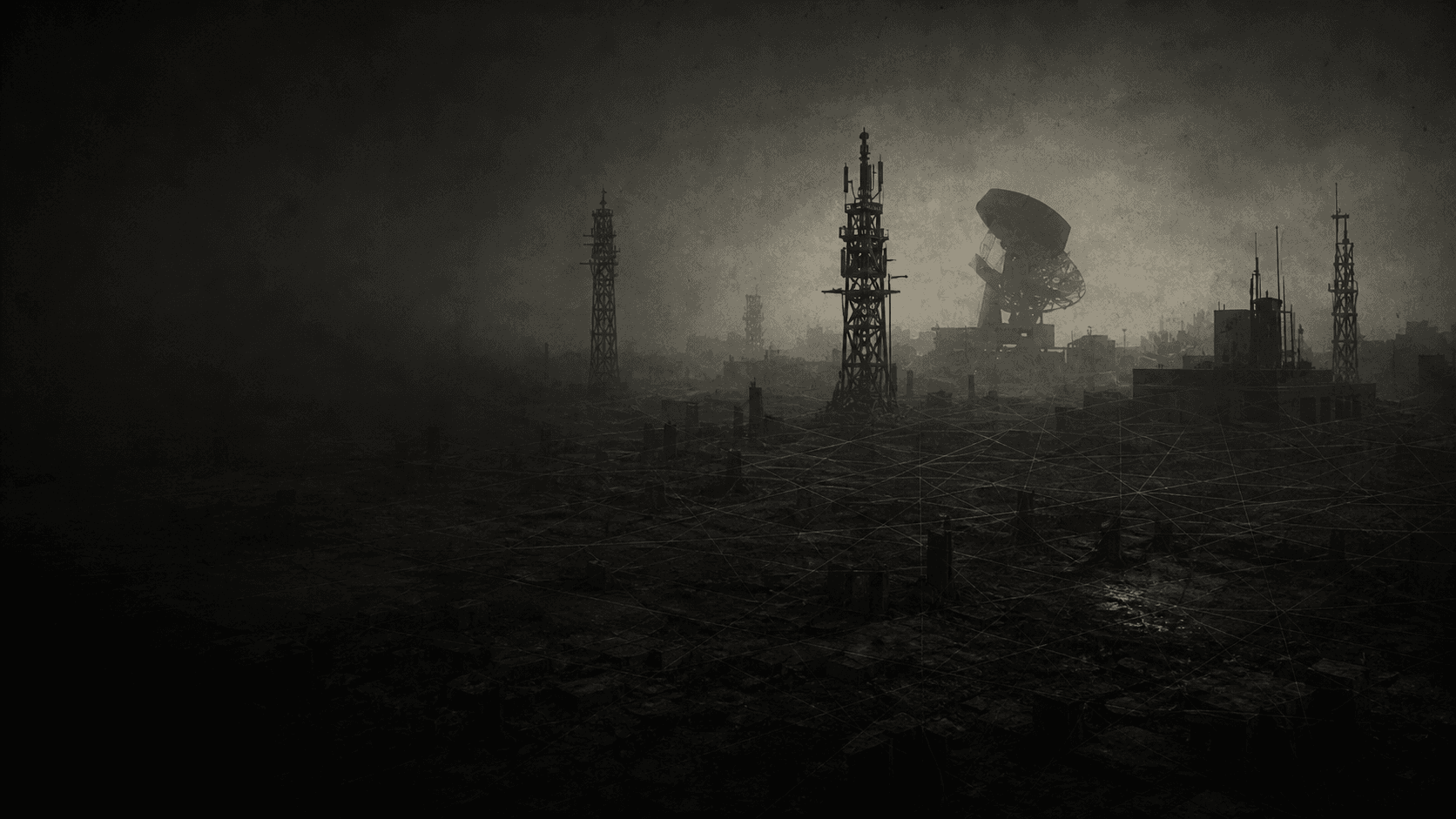
The Black Relay started as a core-loop test: find a battery, carry it through a hostile space, power an Iron Relay tower, and deal with the attention that signal creates. That loop is still the center of the game. The build around it is much larger now, but I keep coming back to the same question: does bringing the relay online create a tense decision, or is it just another objective marker?
Inside the original prototype scene, I can deploy from the bunker, scavenge supplies, carry batteries, fight enemy AI with a friendly squad, power the relay, build triangulation toward the Beacon, and see a Titan react to the signal. Combat has gone through a lot of small passes too: aiming, recoil, reload hand placement, muzzle flashes, shell ejection, damage, death, revives, and making sure weapons follow the same rules no matter who is holding them. It is rough in places, but it is a playable game loop rather than a collection of disconnected test buttons.
There is also a small extraction layer around each run. The operator and three AI squadmates have saved loadouts funded from a shared stash. Gear can be lost on death, recovered from bodies, or preserved by getting living squad members out. Five traders now cover the prototype’s basic equipment needs, and each trader has one authored field request. Those jobs are intentionally specific—recover a missing detector, deliver medical supplies, repair relay hardware—instead of becoming a procedural quest machine before the basic missions are fun.
Progression is deliberately shallow. The operator earns experience from kills, recovered loot, powering a relay, and extracting. Death keeps half of the run’s earned action experience, while a successful extraction adds its own reward. There are no stat bonuses, skill trees, or perks hiding behind the level number. For now, I only want the profile to make a run feel recorded and give me another way to judge whether the game is rewarding the useful actions I care about.
The Map Is Changing
The original scene did its job, but it looks and feels like a developer test range because that is what it is. Systems were added wherever they could be proved quickly. The bunker, traders, relay, AI squads, Titan, loot, and objectives all function there, but the space is too compressed and too artificial to tell me whether a real run has good pacing.
I have started moving Skirmish onto a larger military airfield map. The player now deploys between the barracks and can extract from the open runway by staying inside the marked zone for five seconds. That is intentionally the whole live objective in the new map right now. It proves the scene wrapper, deployment point, extraction flow, and return to the title without pretending the migration is finished.
The next challenge is bringing the working systems over without dragging the old test-scene layout with them. Relay placement, scavenging routes, squad contact, sightlines, and extraction pressure need to make sense in the terrain. I would rather move one loop at a time and learn from it than paste every system into a bigger map and call that progress.
What Comes Next
The near-term work is straightforward: move combat encounters, squad behavior, scavenging, relay power, the Beacon, Titan pressure, traders, field requests, loadout settlement, and progression into the Skirmish flow in a useful order. The important part is not checking every system off a list. It is getting to a run where leaving the bunker, choosing a route, hearing a fight, finding power, and deciding whether to stay or extract all feel connected.
I also want to keep improving readability and feel while that happens. The game needs clearer silhouettes, better feedback, less developer UI, stronger sound, and a world that feels lonely before it becomes chaotic. The low-poly direction gives me room to focus on those things instead of chasing detail that does not improve the decision in front of the player.
This trailer is already a snapshot of an older version of the prototype, which is exactly why I want these devlogs. I am going to keep recording short videos as the build changes and put them here with an honest note about what is working, what is temporary, and what I am trying next. Over time, the useful part should be seeing the rough systems turn into one coherent game—not watching me pretend each experiment was the final answer.